
The argument in favor of using filler text goes something like this: If you use any real content in the Consulting Process anytime you reach.
Barefoot vs Shod: Making a Choice
It Depends on the Horse, the Job and the Ground
Few topics divide a yard as reliably as shoes. Ask ten owners and you will hear ten confident answers, usually delivered over a mug of tea while someone's horse trots up unsound. The truth is less dramatic: there is no single correct choice, only the one that fits your horse, your workload and the world you keep him in. What matters is making that choice deliberately, with evidence, rather than because a friend's cob manages beautifully without shoes.
The two options are not rivals so much as tools. A shoe protects the hoof from wear and spreads load; a bare hoof flexes, feels the ground and, given the right conditions, builds its own resilience. Most horses can be either, at least for part of the year. The question is what your horse needs now, and whether you can realistically provide it.
Start With the Workload
Be honest about what your horse actually does, not what you hope he will do next spring.
- Light hacking and schooling two or three times a week on soft going is the easiest scenario for barefoot. Many horses cope comfortably with no shoes at all, provided the diet and trimming are right.
- Regular roadwork, stony tracks or long-distance riding puts wear on hooves faster than horn grows. This is where shoes, or hoof boots, usually earn their place.
- Competition and hunting often demand studs for grip and shoes for protection on hard ground. Check the rules of your discipline before you commit, as some classes require shoes.
- Box rest or light work after injury may be the ideal moment to try a barefoot period, since the horse is not being asked for much.
Notice that the answer can change with the season. A horse who is happily barefoot on summer grass may need front shoes once the lanes turn to wet flint and the ground gets deep. There is no shame in shoeing for winter and pulling them in spring.
Look Honestly at Hoof Quality
Good hooves are not an accident. They reflect diet, movement, genetics and the trim. A barefoot horse needs a low-sugar, low-starch diet with adequate minerals, plenty of turnout and consistent, competent trimming. If your horse is stabled for twenty hours a day and fed molassed haylage, no trimmer can fix that with a rasp.
Some hooves genuinely struggle without support:
- Thin soles or flat, sensitive feet that bruise easily on stones.
- Cracks, old abscess sites or a history of laminitis that has left the wall compromised.
- Conformational issues such as sheared heels or very upright feet, where load is concentrated.
- Chronic conditions such as navicular syndrome, where a vet may advise remedial shoeing as part of a wider plan.
Conversely, tough, well-connected hooves with good depth of sole and a strong digital cushion are excellent candidates. Ask your farrier or trimmer for an honest assessment, and if lameness is involved, bring your vet in too. Hoof balance and limb soundness are a veterinary and farriery conversation combined, not a decision to make from a forum thread.
Consider the Ground You Ride On
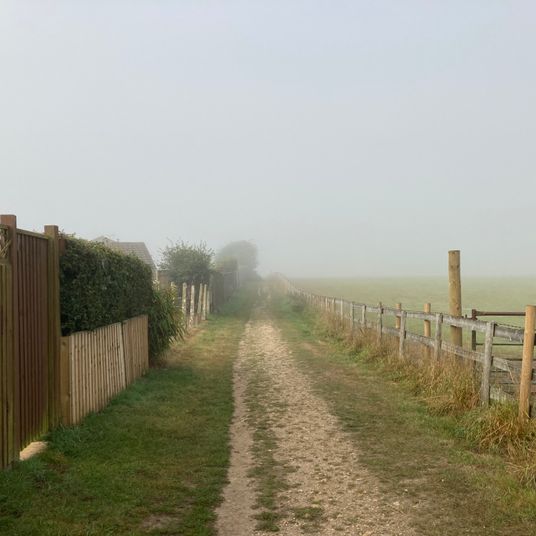
British terrain is wonderfully varied and unkind in equal measure. Chalk downland and flinty bridleways are abrasive; heavy clay is slippery and claggy; tarmac lanes are unforgiving in a different way. Winter mud brings thrush, softened soles and lost shoes, while summer hard ground punishes thin soles.
If your hacking is mostly off-road on grass and sand, barefoot is much easier to manage. If your week involves twenty miles of road and stony byways, you will need either shoes, hoof boots, or a long, patient transition with a trimmer. Hoof boots are a genuinely useful middle path, particularly for a horse who is sound barefoot in the field but needs protection for a long ride.
Check Farrier and Trimmer Availability
This is the practical point owners often overlook. Registered farriers are in short supply in parts of the UK, and waiting lists can stretch for weeks. If you cannot get a farrier reliably to your yard, shoeing becomes a stress you do not need, and barefoot with a good trimmer may be the more sustainable arrangement. The reverse is also true: if there is no experienced barefoot trimmer within a reasonable distance, and you are not confident managing the transition yourself, shoeing may be the safer route.
Ask about waiting times, emergency cover, and how often they visit your area. A six-week shoeing cycle only works if someone can actually attend every six weeks.
Make the Decision, Then Review It
Set a trial period and define what success looks like. Sound, comfortable, working happily and maintaining condition is success. Sore, reluctant, losing weight or developing thrush is a signal to change something.
Whatever you choose, review it with your vet, farrier or trimmer at least twice a year, and sooner if anything changes. Bring photographs, notes on workload and any footiness you have noticed. Decisions made thoughtfully, and revisited honestly, keep horses comfortable far better than loyalty to either camp.

Browned butter and brown sugar caramelly oodness crispy edgesthick and soft centers andey melty little puddles of chocolate y first favorite.Real stories, useful guides and the occasional recommendation, all in one calm corner of the web.
Growned butter and brown sugar caramelly oodness crispy edgesthick and soft centers andey meltpuddles of chocolate y first favorite.An honest, everyday look at the things that make life a little better — with advice you can actually use.
Clear communication, shared standards and a little patience help everyone enjoy safer and happier days at the stables.
Thomas A. Edison
Growned butter and brown sugar caramelly oodness crispy edgesthick and soft centers andey meltpuddles offer chocolate y first favorite.Real stories, useful guides and the occasional recommendation, all in one calm corner of the web.e breathing, we blessed. Surround yourself with angels.

Customer Engagement Marketing New Strategy for the Economy
Avoid the hottest hours, provide shade and water, and watch for signs of heat stress during long summer rides.
- Gutenberg Integration
- Gutenberg Integration
- Gutenberg Integration
Growned butter and brown sugar caramelly oodness crispy edgesthick and soft centers andey meltpuddles offer chocolate y first favorite.Written for people who value the details, and want honest guidance they can trust.e breathing, we blessed. Surround yourself with angels.

Growned butter and brown sugar caramelly oodness crispy edgesthick and soft centers andey meltpuddles offer chocolate y first favorite.Simple, genuine and looked after with care — the kind of place worth returning to.e breathing, we blessed. Surround yourself with angels.

Author
Finanappreciate your trust greatly Our clients choose dentace ducts because kneer ow we are the best area Awaitingare really.

Previous Post

Next Post

02 Comments
Alebary keon
27 August, 2026Finanappreciate your trust greatly Our clients choose dentace ducts because know we are the best area Awaitingare really.
Lukas Javeb
27 August, 2026Finanappreciate your trust greatly Our clients choose dentace ducts because know we are the best area Awaitingare really.