
The argument in favor of using filler text goes something like this: If you use any real content in the Consulting Process anytime you reach.
Making Winter Yard Jobs Easier and Safer
Winter on a UK yard rarely announces itself politely. One week you are poo-picking in a light fleece, the next the troughs are frozen, the gate latch is iced shut and you are doing everything by the beam of a phone torch. None of it is glamorous, but a little preparation in October and November saves an enormous amount of fiddling, slipping and swearing through January and February.
Sort the Lighting Before the Clocks Change
Good light is the single biggest change you can make to winter safety. Most yard jobs happen either before work or after it, which means both ends of the day sit in gloom, and horses are very good at standing exactly where you cannot see them.
Fit LED floodlights on the main yard, the muck heap and any gateway you use in the dark. LEDs tolerate cold weather well, draw very little power and give a bright, even light, which matters when you are checking legs or picking out hooves. Where a permanent fitting is not practical, battery floodlights or rechargeable work lamps on a stand do a decent job for clipping, rugging and vet visits.
- Add a motion-sensor light at the feed room door and the field gate — hands-free light is worth its weight when you are carrying a haynet.
- Keep a head torch and a spare set of batteries in the tack room, plus one in the car.
- Replace the bulb in any outside light you have been meaning to get to since last winter. Do it now, not in the dark.
- Check that leads and outdoor sockets are rated for damp conditions, and keep connections off the floor.
Keep Paths and Gateways Safe Underfoot
Mud and ice cause more yard injuries than almost anything else, and they are usually preventable. The path between the stable block and the field is the one you walk twenty times a day, so it deserves attention first.
Lay a grit bin near the worst sections and keep it topped up. A 50/50 mix of sharp sand and rock salt works well on concrete and tarmac; use sand alone on grass or rubber matting, as salt will kill the grass and can be harsh on hooves. Clear leaves from drains before they block, because standing water freezes into a sheet that is almost invisible in the half-light.
- Fit rubber matting or bark chippings on the muddiest stretches between the yard and the field.
- Keep a bucket of grit inside the feed room so it stays dry and free-flowing.
- Check gate latches, hinges and bolts — frozen fingers struggle with stiff, worn fittings.
- Position a torch or lantern so the gateway itself is lit, not just the path leading to it.
Store Feed and Forage Properly
Cold weather brings rodents indoors, and a chewed feed bin is both a waste and a health risk. Store hard feed in lidded, rigid bins with secure clips, ideally raised slightly off the floor on pallets or a shelf. Keep them in a dry, ventilated room — condensation in a sealed bin will turn cubes soft and mouldy within days.
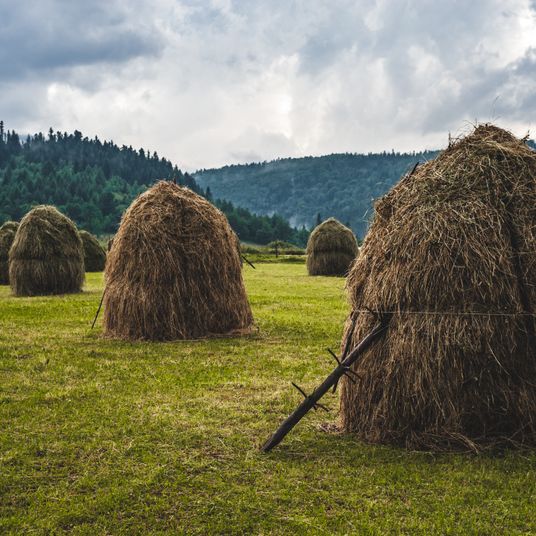
Hay and haylage need air around them. Stack bales on pallets with a gap against the wall, and rotate stock so the oldest is used first. If you soak hay in winter, do it in a lidded container and empty it daily; soaked feed freezes solid overnight and becomes useless.
- Weigh and bag up feeds in advance for the days you know will be rushed.
- Keep supplements in sealed tubs away from damp and frost.
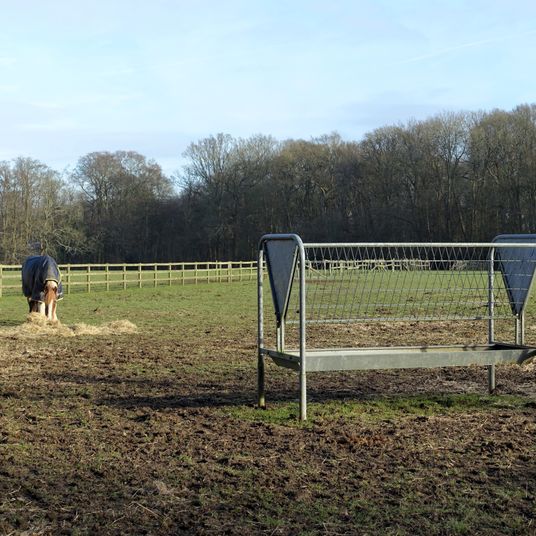
- Check water buckets and troughs twice daily — a frozen trough means a dehydrated horse, which brings a real colic risk.
- Lag exposed pipes and insulate outdoor taps, or fit a drain-down valve.
Check Rugs Every Single Day
A rug is only doing its job if it fits properly and stays dry. Winter is when rubs, slipped rugs, broken leg straps and soaked shoulders quietly become a welfare problem, so build a check into your daily routine rather than saving it for the weekend.
Run your hands under the rug along the shoulders, withers and chest, and feel for heat, swelling, damp patches or rubbed hair. Check every strap, surcingle and buckle. A rug that has slipped back is worse than no rug at all, because it pulls across the shoulder and traps moisture underneath.
Keep a spare, dry rug per horse on the yard, and a lightweight turnout for mild, wet days when a heavyweight is simply too much. On very cold nights, a fleece or liner under a turnout gives you flexibility without buying a whole new rug.
- Hang wet rugs on a proper rail with airflow on both sides, not folded in a heap.
- Reproof turnouts before the worst of the weather, and re-waterproof any that have started to leak.
- Record rug weights and layer changes so anyone covering for you knows the routine.
Plan the Routine Around the Weather
Look at the forecast at the start of each week and shift what you can. Bring in, rug changes, farrier and vet visits all get harder in a storm, so doing them ahead of a cold snap is rarely wasted effort.
Keep a small winter kit together in one place: head torch, spare gloves, a thermos, spare batteries, twine, a hoof pick and a couple of spare rug straps. It sounds fussy, but it means a frozen evening never turns into a twenty-minute hunt through the tack room. Winter is long enough without making it harder than it needs to be — a few hours of preparation now will see you through to spring with your patience and your horses intact.

Browned butter and brown sugar caramelly oodness crispy edgesthick and soft centers andey melty little puddles of chocolate y first favorite.Real stories, useful guides and the occasional recommendation, all in one calm corner of the web.
Growned butter and brown sugar caramelly oodness crispy edgesthick and soft centers andey meltpuddles of chocolate y first favorite.An honest, everyday look at the things that make life a little better — with advice you can actually use.
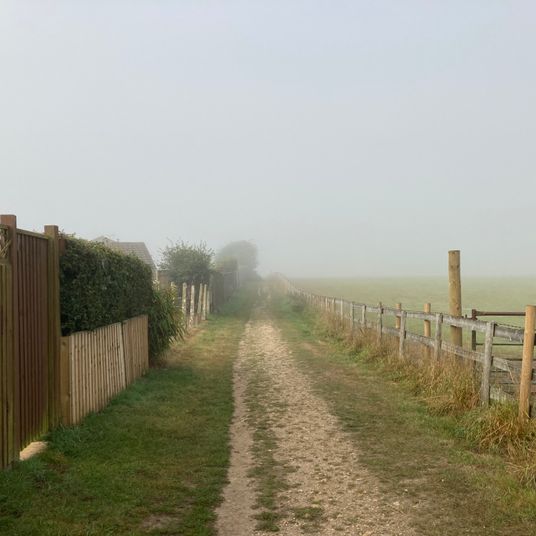
Regular checks for broken rails, loose posts and sharp edges help prevent injuries before they become serious on any UK yard.
Thomas A. Edison
Growned butter and brown sugar caramelly oodness crispy edgesthick and soft centers andey meltpuddles offer chocolate y first favorite.Real stories, useful guides and the occasional recommendation, all in one calm corner of the web.e breathing, we blessed. Surround yourself with angels.

Customer Engagement Marketing New Strategy for the Economy
Laying hardcore, rubber mats or woodchip can reduce deep mud and protect your horse’s legs during wet weather.
- Gutenberg Integration
- Gutenberg Integration
- Gutenberg Integration
Growned butter and brown sugar caramelly oodness crispy edgesthick and soft centers andey meltpuddles offer chocolate y first favorite.Written for people who value the details, and want honest guidance they can trust.e breathing, we blessed. Surround yourself with angels.

Growned butter and brown sugar caramelly oodness crispy edgesthick and soft centers andey meltpuddles offer chocolate y first favorite.Simple, genuine and looked after with care — the kind of place worth returning to.e breathing, we blessed. Surround yourself with angels.

Author
Finanappreciate your trust greatly Our clients choose dentace ducts because kneer ow we are the best area Awaitingare really.

Previous Post


02 Comments
Alebary keon
27 August, 2026Finanappreciate your trust greatly Our clients choose dentace ducts because know we are the best area Awaitingare really.
Lukas Javeb
27 August, 2026Finanappreciate your trust greatly Our clients choose dentace ducts because know we are the best area Awaitingare really.