
The argument in favor of using filler text goes something like this: If you use any real content in the Consulting Process anytime you reach.
Daily Stable Routine for Happy Horses
Start With a Look Over the Door
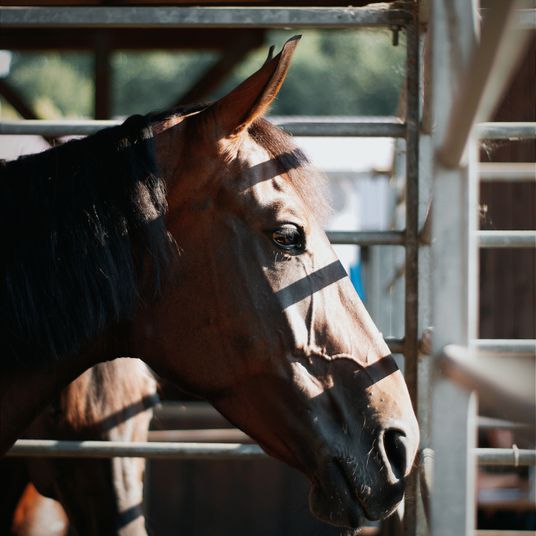
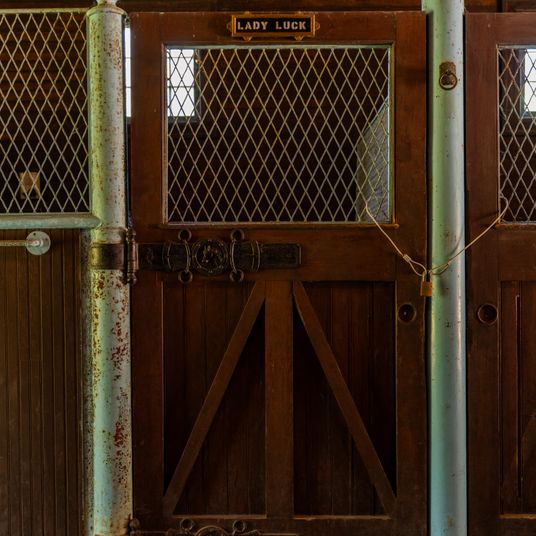
Every good yard day begins the same way, before you pick up a fork or fill a bucket: you look at your horse. Eyes bright, ears forward, breathing easy, no new lumps or filled legs. Run an eye over the bed to see how much they moved overnight, check the droppings for number and consistency, and note how much hay and water has gone. That thirty-second assessment tells you more about your horse's health than almost anything else you will do all day.
If something looks off, act on it early. Colic, laminitis and respiratory trouble are all far easier to manage when caught at the first sign rather than the fifth. A thermometer, a stethoscope and a mobile phone with your vet's number saved are the three most useful bits of kit on any yard.
Mucking Out: Little and Often
A stabled horse needs a proper muck out every day. Skipping out twice daily — removing droppings and any wet patches — keeps the bed clean between full muck outs and saves you work in the long run. If your horse is on rubber matting with a deep litter system, a daily skip out plus a weekly strip may be enough; on straw or shavings over a full floor, plan on a full muck out each morning.
- Lift wet bedding away from the floor and let the surface dry before rebuilding the bed.
- Build banks against the walls for warmth and to stop the horse getting cast, then level the centre.
- Aim for a bed deep enough to encourage lying down — at least four to six inches even on mats.
- Site the muck heap well away from the yard to reduce flies and dust.
Bedding choice matters as much as the routine. Damp, ammonia-heavy beds irritate the airways and can lead to a cough that lingers for months. Shavings, wood pellets, hemp and straw all have their devotees; what matters is keeping the bed dry, dust-free and topped up.
Fresh Water, Every Single Day
A horse at rest drinks somewhere between 25 and 45 litres a day, and considerably more in hard work, hot weather or on a dry hay diet. Scrub buckets daily, rinse them well and refill with clean water. Automatic drinkers must be tested by hand every day — press the valve and check the flow, because a blocked or frozen drinker is a silent problem.
In winter, break ice twice a day and consider offering a bucket of slightly warmed water to encourage drinking. In summer, watch for algae, leaves and drowned insects. Providing two buckets means a knocked-over one is never a disaster, and it lets you track intake. A horse that suddenly drinks a great deal more, or less, is telling you something.
Forage First: Hay, Haylage and the Weigh Tape
Forage is the backbone of the diet, and the daily routine should be built around it. As a rough guide, feed around two per cent of bodyweight in forage each day — about 10kg for a 500kg horse at maintenance. Weigh nets rather than guessing by eye; it is the single easiest way to keep weight in check.
- Small-holed nets slow down greedy eaters and make a small amount last longer.
- Soaked hay suits horses prone to laminitis or sensitive to dust; haylage provides more calories for those who need them.
- Check every bale: sweet-smelling, no mustiness, no mould or heavy dust.
Ideally a horse should never go more than four hours without forage. If your routine means long gaps, split the ration into smaller nets and use a trickle net to stretch it out.
The Five-Minute Health Check
Once the practical jobs are done, spend five minutes going over your horse properly. Pick out all four feet, checking for stones, bruises and the tell-tale black smell of thrush. Run your hands down each leg: cool, tight and free from heat or filling is what you want. Look at the eyes for clarity, the nostrils for discharge and the gums for a healthy pink colour.
Know your horse's normal resting temperature — usually between 37.5°C and 38.5°C — and take it if anything seems amiss. Watch the flanks for breathing rate, listen for gut sounds, and check the droppings again. Grooming is the perfect moment for this; the curry comb finds lumps and rubs long before they become a problem.
Turnout, Rugging and the Evening Round
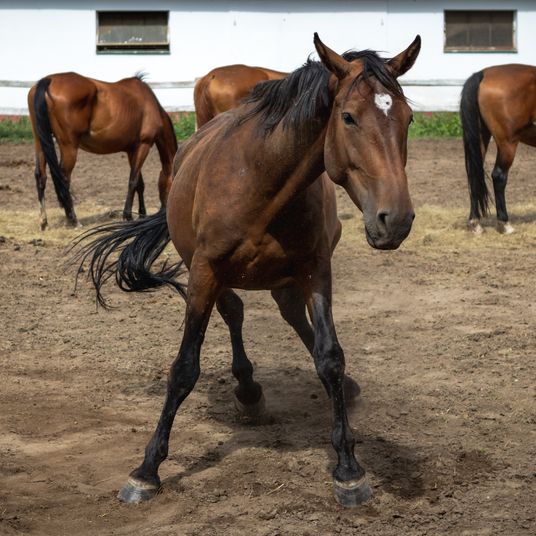
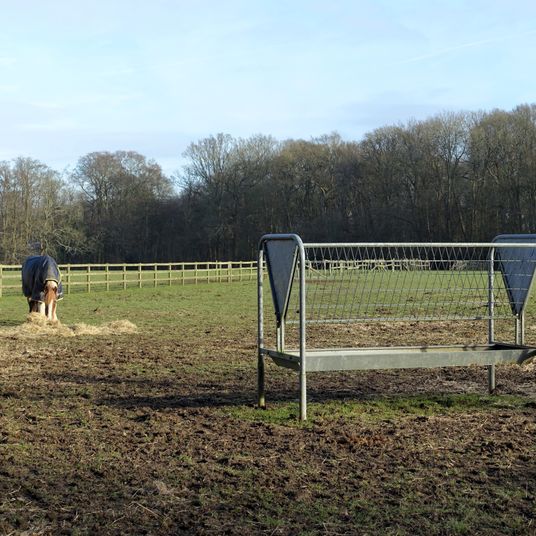
Horses are designed to move for most of the day, so daily turnout is not a luxury but a basic need. It supports digestion, keeps joints supple and reduces stable vices. If turnout is limited, compensate with extra forage, in-hand grazing or a few hours on a woodchip pen.
Rugging should follow the weather, not the calendar. Check fit daily, straighten straps, and look for rubs at the shoulders and chest. Over-rugging is far more common than under-rugging and can leave a horse sweaty, itchy and uncomfortable.
The evening round mirrors the morning: skip out, refill water, top up hay, adjust rugs and give the horse one last look. A late-night check before bed — even just a glance over the door — is the mark of a well-run yard. Horses thrive on consistency, and a routine that runs the same way each day keeps them settled, sound and content.

Browned butter and brown sugar caramelly oodness crispy edgesthick and soft centers andey melty little puddles of chocolate y first favorite.Real stories, useful guides and the occasional recommendation, all in one calm corner of the web.
Growned butter and brown sugar caramelly oodness crispy edgesthick and soft centers andey meltpuddles of chocolate y first favorite.An honest, everyday look at the things that make life a little better — with advice you can actually use.
Straw, shavings, wood pellets and hemp each have pros and cons for drainage, dust levels and muck heap size.
Thomas A. Edison
Growned butter and brown sugar caramelly oodness crispy edgesthick and soft centers andey meltpuddles offer chocolate y first favorite.Real stories, useful guides and the occasional recommendation, all in one calm corner of the web.e breathing, we blessed. Surround yourself with angels.

Customer Engagement Marketing New Strategy for the Economy
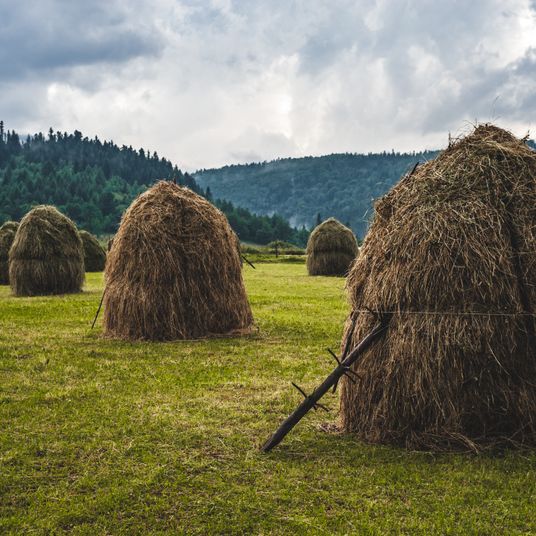
Keep bales dry, off the floor and away from ignition sources to reduce fire risk and preserve nutritional quality.
- Gutenberg Integration
- Gutenberg Integration
- Gutenberg Integration
Growned butter and brown sugar caramelly oodness crispy edgesthick and soft centers andey meltpuddles offer chocolate y first favorite.Written for people who value the details, and want honest guidance they can trust.e breathing, we blessed. Surround yourself with angels.

Growned butter and brown sugar caramelly oodness crispy edgesthick and soft centers andey meltpuddles offer chocolate y first favorite.Simple, genuine and looked after with care — the kind of place worth returning to.e breathing, we blessed. Surround yourself with angels.

Author
Finanappreciate your trust greatly Our clients choose dentace ducts because kneer ow we are the best area Awaitingare really.

Previous Post

Next Post

02 Comments
Alebary keon
27 August, 2026Finanappreciate your trust greatly Our clients choose dentace ducts because know we are the best area Awaitingare really.
Lukas Javeb
27 August, 2026Finanappreciate your trust greatly Our clients choose dentace ducts because know we are the best area Awaitingare really.