
The argument in favor of using filler text goes something like this: If you use any real content in the Consulting Process anytime you reach.
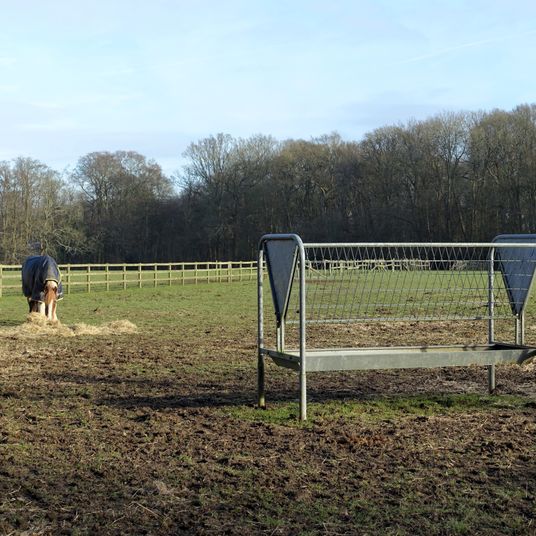

Recognising Signs of Colic in Your Horse
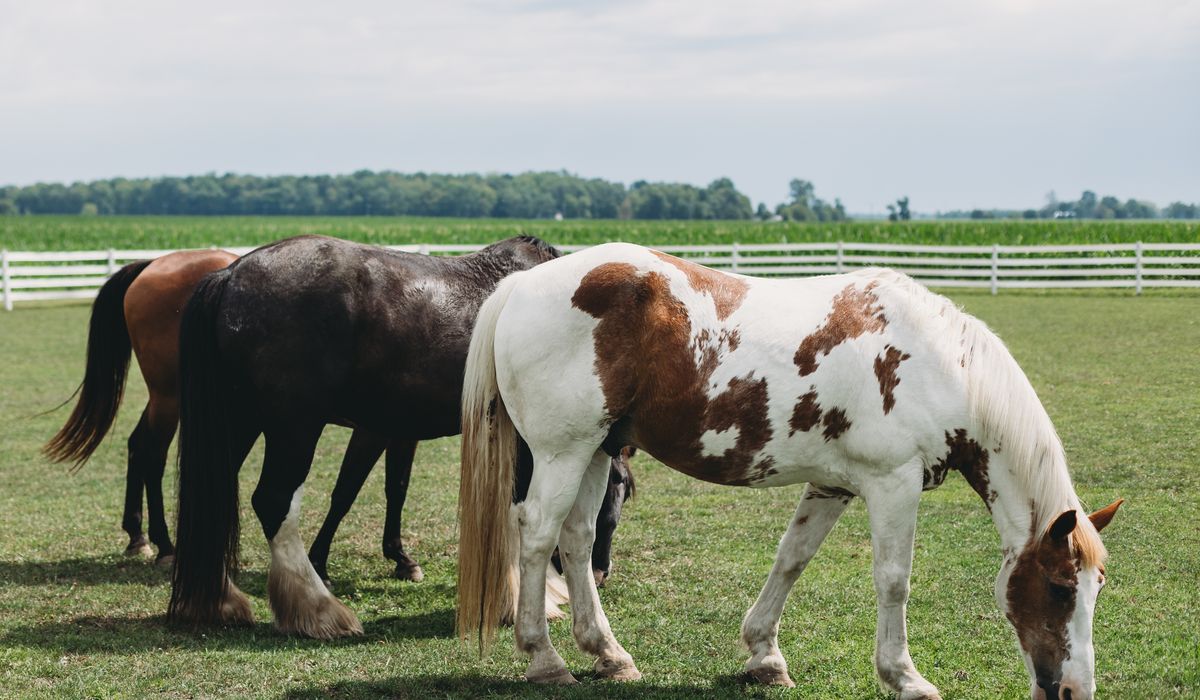
What Is Colic and Why It Matters
Colic is one of the most common emergencies in horses, and it is also one of the most misunderstood. In simple terms, colic is not a single disease but a broad term for abdominal pain, usually originating in the gastrointestinal tract. It can range from a mild bout of trapped gas that resolves within an hour to a life-threatening twist of the gut that requires surgery. Because horses cannot vomit, anything that disrupts the normal passage of food through their lengthy digestive system can quickly become serious.
Every horse owner in the UK should treat colic as a potential emergency until proven otherwise. The signs can be subtle at first, and horses are notoriously stoic animals. Knowing what to look for, and acting quickly when you see it, can genuinely mean the difference between a straightforward recovery and a devastating loss.
The Classic Signs to Watch For
The most familiar indicator of colic is a horse that is restless and uncomfortable. You might see your horse pawing at the ground, shifting its weight from foot to foot, or looking repeatedly at its flanks. Some horses will lie down and roll, sometimes violently, in an attempt to relieve the discomfort. Rolling itself is not always a problem, but repeated, frantic rolling is a red flag.
Other common signs include:
- Loss of appetite — refusing hard feed, hay or grass that would normally be eaten eagerly.
- Sweating — patchy or generalised sweating, particularly when the weather is cool and the horse has not been exercised.
- Stretching — adopting an unusual stance as though trying to urinate, often with the hind legs extended.
- Kicking at the belly — either with a hind leg or by turning the head towards the flank.
- Flehmen response — curling the upper lip, which can accompany abdominal discomfort.
- Changes in droppings — reduced output, dry droppings, or diarrhoea.
- Elevated heart rate — often over 45 to 50 beats per minute at rest in an adult horse.
- Depression or dullness — standing with the head lowered, unresponsive to normal stimuli.
Any one of these signs warrants a closer look. Several together, or a horse that is clearly distressed, means you should be picking up the phone.
Common Causes in UK Horses
Colic has many triggers, and understanding them can help you reduce the risk in your own yard. Sudden changes in diet are a leading cause, which is why any new feed should be introduced gradually over at least a week to ten days. A drop in forage intake, perhaps because hay quality has changed or a horse is not drinking enough, can also set the gut up for trouble.
Other frequent culprits include:
- Dental problems — poor teeth mean poorly chewed food, which is harder to digest.
- Parasite burden — an inadequate or irregular worming programme.
- Stress — travelling, a change of yard, or the loss of a companion.
- Weather — some horses colic during sharp frosts or after a spell of very wet, cold conditions.
- Lack of turnout — stabled horses are generally at higher risk than those at grass.
- Sand or dirt ingestion — more common on sandy or overgrazed paddocks.
- Gastric ulcers — increasingly recognised in UK horses, especially those in hard work.
Good routine management does not eliminate colic entirely, but it dramatically reduces the odds.
What to Do If You Suspect Colic
If you are worried, contact your vet without delay. Do not wait to see whether the horse settles, and do not reach for a home remedy first. Describe exactly what you are seeing, how long it has been going on, and whether the horse has passed droppings. Your vet will advise on the next steps, which may include a visit.
While you wait, keep the horse as calm as possible. Removing food and water is generally sensible until the vet has assessed the situation. If the horse wants to lie down, allow it, provided it is in a safe, padded area where it cannot injure itself or become cast against a wall. Do not force the horse to walk for long periods, as this can be counterproductive in some cases. Take a note of vital signs — heart rate, respiratory rate, rectal temperature if you are confident doing so — and check for gut sounds by listening to the flanks.
Never administer painkillers from your own supplies unless your vet has specifically instructed you to do so. Masking the pain can make diagnosis considerably harder and could delay essential treatment.
Prevention Is the Best Medicine
While not every episode can be prevented, most owners can lower the risk through consistent, sensible management. Feed little and often, base the diet on good-quality forage, and ensure constant access to clean water. Keep turnout as generous as your facilities allow, and make any dietary changes slowly. Maintain a regular dental and worming schedule, and monitor your horse's weight and droppings as part of your daily routine.
Knowing your horse's normal behaviour is your single greatest tool. A horse that is not quite right often shows it long before obvious colic signs appear. Trust your instincts, and if something feels off, call the vet. That quick, decisive action is what gives your horse the very best chance.

Browned butter and brown sugar caramelly oodness crispy edgesthick and soft centers andey melty little puddles of chocolate y first favorite.Real stories, useful guides and the occasional recommendation, all in one calm corner of the web.
Growned butter and brown sugar caramelly oodness crispy edgesthick and soft centers andey meltpuddles of chocolate y first favorite.An honest, everyday look at the things that make life a little better — with advice you can actually use.
Adjust hay, hard feed and rugging as temperatures drop to keep condition without causing digestive upset or weight gain.
Thomas A. Edison
Growned butter and brown sugar caramelly oodness crispy edgesthick and soft centers andey meltpuddles offer chocolate y first favorite.Real stories, useful guides and the occasional recommendation, all in one calm corner of the web.e breathing, we blessed. Surround yourself with angels.

Customer Engagement Marketing New Strategy for the Economy
This hormonal condition affects older horses and may cause a curly coat, lethargy and weight loss despite a healthy appetite.
- Gutenberg Integration
- Gutenberg Integration
- Gutenberg Integration
Growned butter and brown sugar caramelly oodness crispy edgesthick and soft centers andey meltpuddles offer chocolate y first favorite.Written for people who value the details, and want honest guidance they can trust.e breathing, we blessed. Surround yourself with angels.

Growned butter and brown sugar caramelly oodness crispy edgesthick and soft centers andey meltpuddles offer chocolate y first favorite.Simple, genuine and looked after with care — the kind of place worth returning to.e breathing, we blessed. Surround yourself with angels.

Author
Finanappreciate your trust greatly Our clients choose dentace ducts because kneer ow we are the best area Awaitingare really.

Previous Post


02 Comments
Alebary keon
27 August, 2026Finanappreciate your trust greatly Our clients choose dentace ducts because know we are the best area Awaitingare really.
Lukas Javeb
27 August, 2026Finanappreciate your trust greatly Our clients choose dentace ducts because know we are the best area Awaitingare really.