
The argument in favor of using filler text goes something like this: If you use any real content in the Consulting Process anytime you reach.
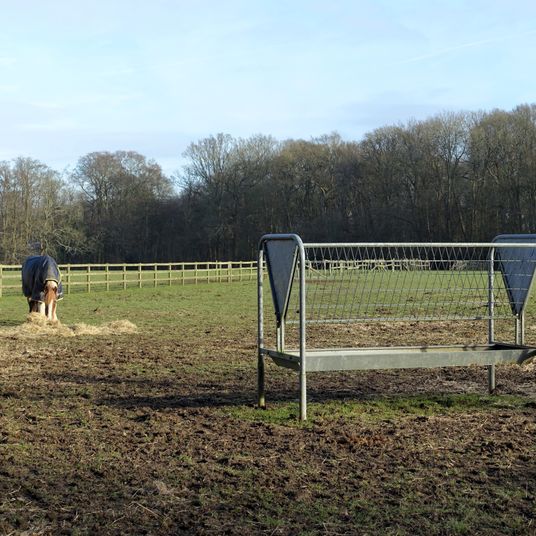
Rotating Grazing Areas to Improve Pasture Health
Why Continuous Grazing Lets You Down
Most smallholdings and livery yards in the UK start out the same way: one big field, a gate, a trough, and animals turned out to get on with it. It works beautifully for the first year or two, and then the sward starts to tell the truth. Buttercups creep in, bare patches appear around the gateway, and the grass never quite gets its head up before it is bitten back down again.
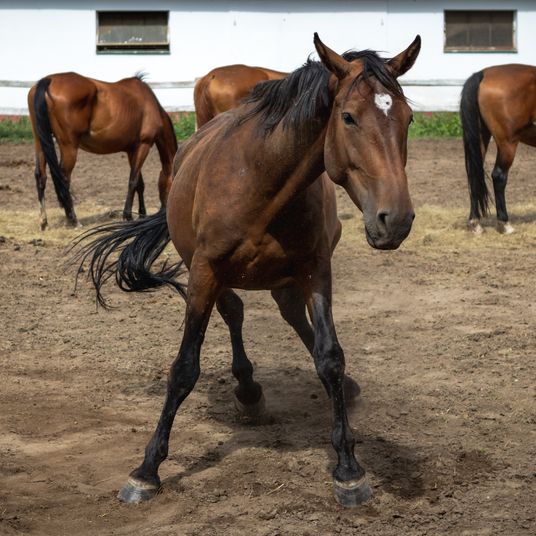
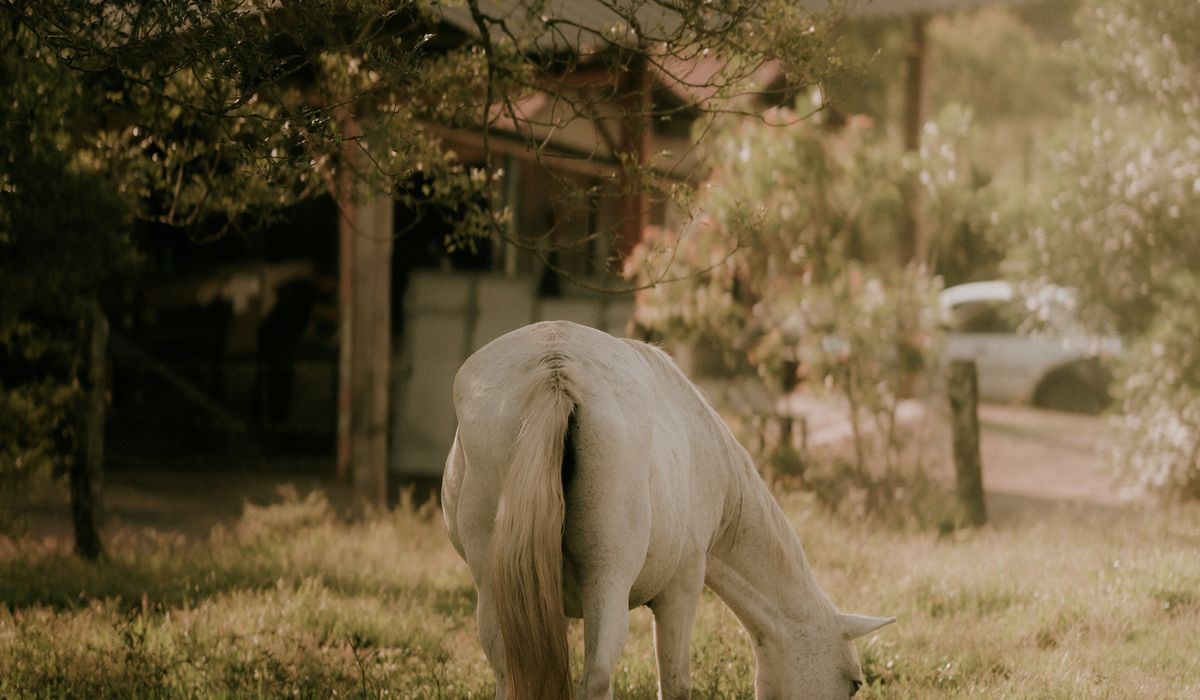
The reason is simple. Horses and ponies graze selectively, nibbling their favourite young shoots down to the roots while leaving coarser stems to seed. Under set stocking, the tastiest plants never get a chance to recover, and the weeds that livestock avoid spread into the gaps. Split that same land into smaller paddocks, though, and everything changes — grass gets time to regrow, and worm burdens fall away naturally as part of the cycle.
Working Out How Many Paddocks You Need
Aim for a minimum of four paddocks, ideally six to eight. More divisions give you more flexibility and more rest for each patch of ground. You do not need perfect rectangles; awkward corners, shelter belts and sloping ground can all be fenced into workable blocks.
As a rough guide for UK conditions, allow around 0.4 to 0.6 hectares (one to one and a half acres) per horse or large pony on decent lowland pasture, and rather more on thin or clay-heavy ground. Then divide your total acreage by that figure to see how many groups you can realistically graze at once. If you keep two horses on two acres, you will not manage a grand twelve-paddock rotation — but you can still run four small paddocks, which is a huge improvement on one.
- Sketch your land on paper before buying anything.
- Mark gateways so each paddock can be reached without walking through another.
- Keep one paddock back as a sacrifice area for wet winter turnout.
Fencing, Water and Gateways
Electric fencing is the practical choice for most UK yards. Two or three strands of polywire on lightweight posts will hold most horses, though native breeds in thick winter coats may need a mains-powered energiser and a good earth stake. Permanent post-and-rail around the boundary is worth the investment; internal divisions can be temporary.
Water is the detail that catches people out. Rather than running a trough into every paddock, use a central lane or track with troughs positioned so animals can drink from two or three paddocks at once. Gateways are the other weak point — they turn to liquid mud in a wet November. Consider hardcore or rubber matting at every entrance, and set gates back from fence lines so animals do not crowd and poach the corner.
Rest Periods That Suit the Season
Rest is the whole point of rotation, and the length of that rest changes through the year. In the spring flush, grass can recover in as little as three weeks. In high summer, when growth slows, allow four to six weeks. From late autumn through winter, when soil temperatures drop below about 6°C, grass barely grows at all — rest periods of eight to twelve weeks or more are realistic, and you may need to reduce stocking or use a sacrifice paddock instead.
A simple rule of thumb on height: turn animals in when the grass is roughly 10 to 15 centimetres tall, and move them on before they graze it below 4 to 5 centimetres. Ponies and native breeds will graze tighter than you expect, so check the sward with your hand rather than trusting the view from the gate.
How Rotation Helps With Worms
This is where good grazing management earns its keep. Most equine worm larvae, including the small redworm, climb up the grass blades in the morning dew and are swallowed as animals graze. The heaviest contamination sits in the bottom few centimetres of the sward — exactly the layer that continuous grazing exposes all year round.
By moving animals on before they graze that layer, and by resting each paddock long enough for sunlight and drying winds to reduce larval numbers, you cut the dose of infection your horse picks up. Resting for several weeks in warm, dry weather is particularly effective. It is not a cure on its own, and rotation should sit alongside regular faecal egg counts, poo-picking and targeted worming — but it reduces the reliance on chemicals and slows the development of resistance.
- Poo-pick at least twice a week in the paddocks currently in use.
- Harrow only in hot, dry spells, and never on ground about to be grazed.
- Never graze youngstock behind adults without a worming plan — they are far more susceptible.
Making the System Stick Through the Year
Start small and be patient. Fence off two paddocks this spring, run the rotation for a season, and you will see the difference in sward density by autumn. Keep a simple notebook or phone note of which paddock was grazed when — it takes seconds and stops you guessing.
Expect to adjust constantly. Wet winters, dry summers and shifting horse numbers all change the plan, and that is entirely normal. The goal is not a perfect system but a living one: grass that gets a genuine chance to recover, ground that holds together, and horses grazing a cleaner sward with fewer worm burdens. That is better for your land, your animals and your wallet.

Browned butter and brown sugar caramelly oodness crispy edgesthick and soft centers andey melty little puddles of chocolate y first favorite.Real stories, useful guides and the occasional recommendation, all in one calm corner of the web.
Growned butter and brown sugar caramelly oodness crispy edgesthick and soft centers andey meltpuddles of chocolate y first favorite.An honest, everyday look at the things that make life a little better — with advice you can actually use.
Pawing, rolling, sweating and loss of appetite can indicate colic, so contact your vet without delay if worried.
Thomas A. Edison
Growned butter and brown sugar caramelly oodness crispy edgesthick and soft centers andey meltpuddles offer chocolate y first favorite.Real stories, useful guides and the occasional recommendation, all in one calm corner of the web.e breathing, we blessed. Surround yourself with angels.

Customer Engagement Marketing New Strategy for the Economy
Adjust hay, hard feed and rugging as temperatures drop to keep condition without causing digestive upset or weight gain.
- Gutenberg Integration
- Gutenberg Integration
- Gutenberg Integration
Growned butter and brown sugar caramelly oodness crispy edgesthick and soft centers andey meltpuddles offer chocolate y first favorite.Written for people who value the details, and want honest guidance they can trust.e breathing, we blessed. Surround yourself with angels.

Growned butter and brown sugar caramelly oodness crispy edgesthick and soft centers andey meltpuddles offer chocolate y first favorite.Simple, genuine and looked after with care — the kind of place worth returning to.e breathing, we blessed. Surround yourself with angels.

Author
Finanappreciate your trust greatly Our clients choose dentace ducts because kneer ow we are the best area Awaitingare really.

Previous Post


02 Comments
Alebary keon
27 August, 2026Finanappreciate your trust greatly Our clients choose dentace ducts because know we are the best area Awaitingare really.
Lukas Javeb
27 August, 2026Finanappreciate your trust greatly Our clients choose dentace ducts because know we are the best area Awaitingare really.