
The argument in favor of using filler text goes something like this: If you use any real content in the Consulting Process anytime you reach.
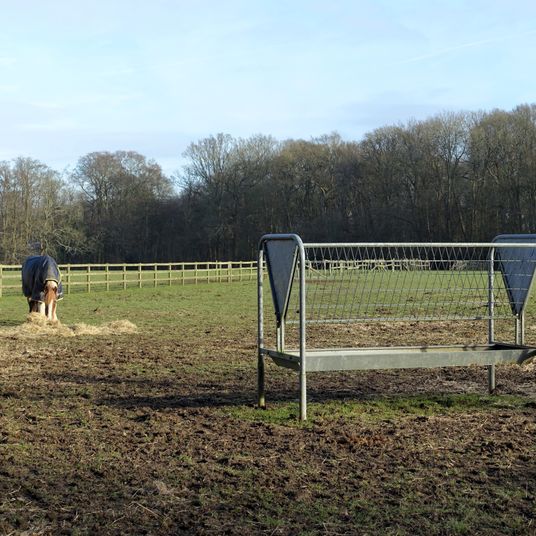
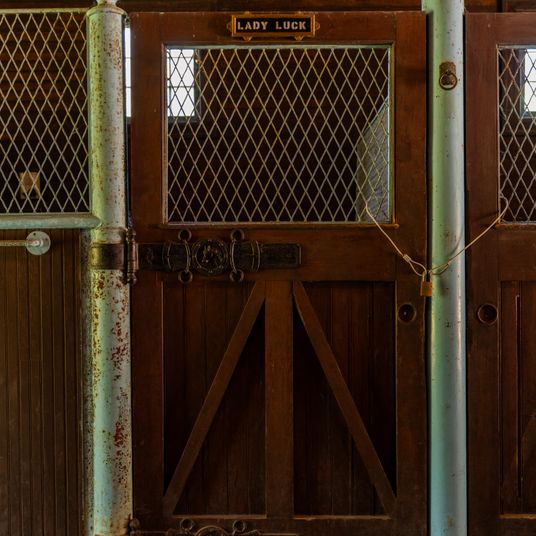
Winter Feeding Tips for Good Horse Condition
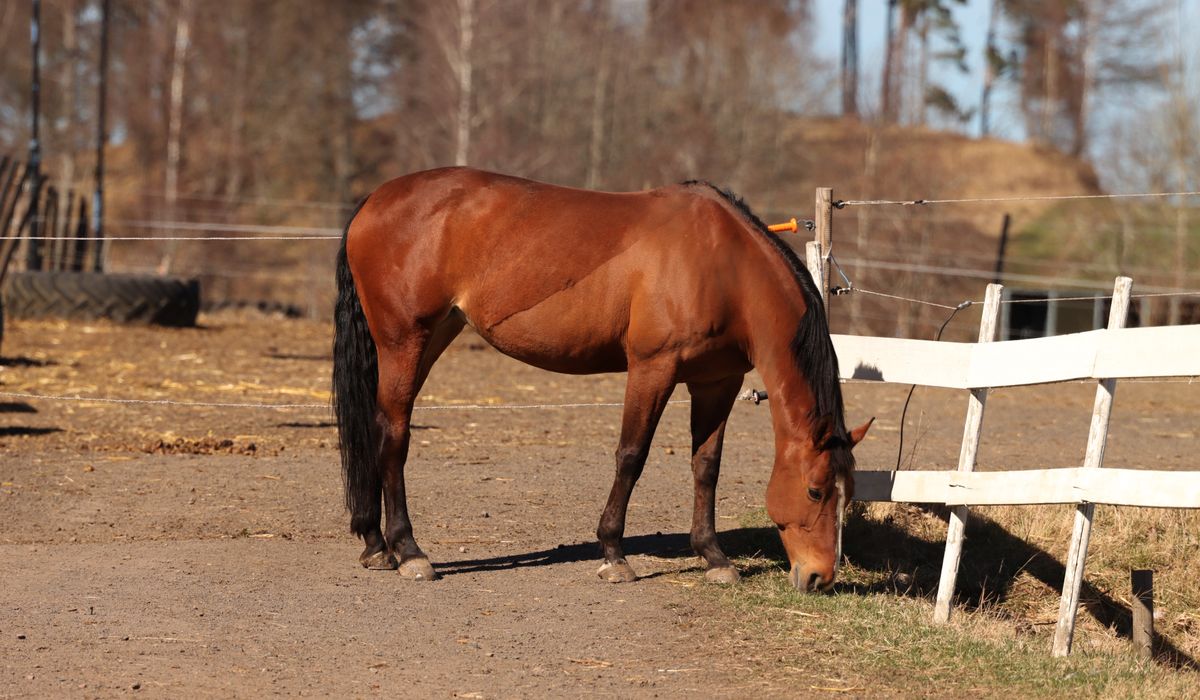
Why Winter Feeding Needs a Rethink
As the temperature drops, your horse's body has to work harder simply to stay warm. Add shorter days, less turnout and often more time stood in, and the winter routine that worked beautifully in October can quietly stop delivering by January. The temptation is to pile on the hard feed, but most weight loss in winter is caused by too little forage, not too little bucket feed. Equally, a horse that loses very little weight can end up carrying too much condition simply because rugs and richer hay have been added at the same time as work has dropped off.
The aim for the next few months is steady condition, a calm gut and a settled horse — not dramatic changes in either direction.
Start With Forage, Every Time
Forage should make up the bulk of the winter diet, ideally offered ad-lib so your horse never stands for hours with an empty stomach. As a rule of thumb, aim for a minimum of 2 to 2.5 per cent of bodyweight in dry matter each day. For a 500kg horse, that's around 10 to 12.5kg of hay. When the weather turns properly cold, many horses need more.
- Weigh your hay. Haynets guessed by eye are almost always heavier than you think, which is a common cause of unexplained weight gain in good doers.
- Know your forage. Haylage is often higher in energy and lower in sugar than hay, which suits poor doers and horses with sensitive guts, but it can be too much for a native pony in light work.
- Soak if needed. For horses prone to laminitis or excitability, soaking hay for several hours reduces water-soluble sugars. In freezing weather, soak in the day and drain thoroughly so it doesn't freeze into a block.
- Feed little and often. Double-net or split nets to slow eating and keep the hindgut steady.
Hard Feed: Adjust, Don't Just Add
Hard feed is there to top up what forage can't provide. Before increasing it, ask whether the horse is genuinely underweight or simply carrying less of a summer shine. Condition score with your hands, not your eyes, over the ribs, withers, shoulders and tailhead.
If condition is dropping, increase the forage first and give it a fortnight. If that isn't enough, add energy gradually. Small, frequent feeds are far kinder to the digestive system than one large bucket — no more than around 2kg of concentrate per feed for a 500kg horse, split across two or three meals.
- For weight gain: micronised linseed, oil or a high-fibre conditioning cube are gentler options than a cereal-heavy mix.
- For excitable types: look for low sugar and starch feeds and keep starch under 10 per cent where possible.
- For veterans: consider a soaked fibre mash or senior feed, as chewing efficiency often declines with age.
- Always change slowly. Introduce any new feed over 7 to 10 days to avoid loose droppings and colic risk.
Rugging and Condition Go Hand in Hand
Over-rugging is one of the most common reasons a horse comes out of winter fatter than it went in. A thick rug suppresses the natural drop in body temperature that triggers appetite and helps a horse regulate its own warmth. If your horse is unclipped and in light work, it may need no rug at all for much of the winter.
- Unclipped, light work: no fill or a light 100g rug on the wettest, windiest days.
- Clipped, stabled: 200 to 250g, adjusted daily.
- Fully clipped, turned out: 300g plus a neck cover in hard weather.
Check under the rug daily. Feel the ears, the base of the ears and the armpits, and slide a hand under the rug to check for sweat. A horse that is warm and damp underneath is being over-rugged, and the calories saved are being laid down as fat.
Water, Salt and the Details That Matter
A horse in winter may drink far less than you expect, especially if the trough is icy or the water is freezing cold. Poor water intake is a genuine colic risk. Aim for at least 25 to 40 litres a day for a 500kg horse, and more if fed haylage.
- Break ice twice daily, or use a heated trough where possible.
- Add a tablespoon of table salt to the feed, or offer a salt lick, to encourage drinking.
- Offer tepid water after work on freezing days — horses often refuse near-frozen water.
- Keep an eye on droppings; small, dry droppings are an early warning sign.
Watch, Weigh and Adjust
The most useful winter tool you own is a weigh tape and a notebook. Weigh and condition score every fortnight, on the same day at the same time, and write it down. Small trends are far easier to spot than a single reading, and you can adjust forage or rugging before a problem takes hold.
Keep teeth checked annually, worm according to your plan, and remember that a bit of extra condition going into spring is far easier to manage than a horse that has dropped too far. Feed the forage, rug to the horse in front of you, and change one thing at a time.

Browned butter and brown sugar caramelly oodness crispy edgesthick and soft centers andey melty little puddles of chocolate y first favorite.Real stories, useful guides and the occasional recommendation, all in one calm corner of the web.
Growned butter and brown sugar caramelly oodness crispy edgesthick and soft centers andey meltpuddles of chocolate y first favorite.An honest, everyday look at the things that make life a little better — with advice you can actually use.
This hormonal condition affects older horses and may cause a curly coat, lethargy and weight loss despite a healthy appetite.
Thomas A. Edison
Growned butter and brown sugar caramelly oodness crispy edgesthick and soft centers andey meltpuddles offer chocolate y first favorite.Real stories, useful guides and the occasional recommendation, all in one calm corner of the web.e breathing, we blessed. Surround yourself with angels.

Customer Engagement Marketing New Strategy for the Economy
Focus on rhythm, balance and a quiet lower leg to make rising trot smoother and less tiring for your horse.
- Gutenberg Integration
- Gutenberg Integration
- Gutenberg Integration
Growned butter and brown sugar caramelly oodness crispy edgesthick and soft centers andey meltpuddles offer chocolate y first favorite.Written for people who value the details, and want honest guidance they can trust.e breathing, we blessed. Surround yourself with angels.

Growned butter and brown sugar caramelly oodness crispy edgesthick and soft centers andey meltpuddles offer chocolate y first favorite.Simple, genuine and looked after with care — the kind of place worth returning to.e breathing, we blessed. Surround yourself with angels.

Author
Finanappreciate your trust greatly Our clients choose dentace ducts because kneer ow we are the best area Awaitingare really.


Next Post

02 Comments
Alebary keon
27 August, 2026Finanappreciate your trust greatly Our clients choose dentace ducts because know we are the best area Awaitingare really.
Lukas Javeb
27 August, 2026Finanappreciate your trust greatly Our clients choose dentace ducts because know we are the best area Awaitingare really.