
The argument in favor of using filler text goes something like this: If you use any real content in the Consulting Process anytime you reach.
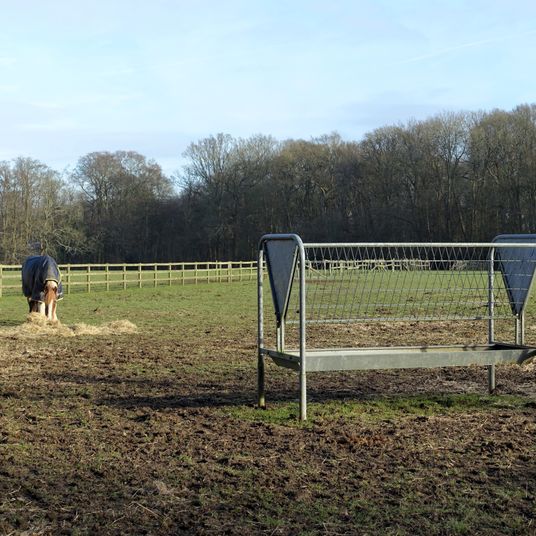
Safe Hay Storage in Your Yard
Why hay storage is worth getting right
For most yards, hay is the biggest feed bill of the year and the biggest fire load on the property. Get the storage right and you protect both. Bales kept dry and well ventilated hold their colour, smell and nutritional value far better, while a tidy, sensible stack gives a fire much less to work with — and gives you and your horses a far better chance if something does go wrong.
The two risks are linked more closely than people expect. Damp hay heats up. Heating hay can, in the right conditions, reach the point of spontaneous combustion. So the same habits that keep your forage palatable are the ones that keep your yard safer.
Pick the right spot before the first bale arrives
Site selection matters more than any clever stacking trick. Aim for a purpose-built or clearly designated area, and think in terms of distance and airflow:
- At least 10 metres from stables, barns and any building where horses or people sleep or work — more if your local fire service advises it.
- Well away from ignition sources: incinerators, bonfire sites, fuel stores, fertiliser and machinery sheds, and anywhere ash is tipped.
- On hardstanding or firm, free-draining ground. A muddy gateway in February becomes a rutted mess and slows you down when you are feeding in the dark.
- With clear access for a trailer or telehandler, and room to turn without clipping gateposts.
If you are storing in a building, choose one that is not attached to the stables, and keep the electrical installation in good order — no trailing leads, no dusty light fittings, no sockets you cannot inspect.
Keep bales up off the ground
No bale should ever sit directly on soil or bare concrete. Ground contact draws moisture upwards and creates ideal conditions for mould at the base of the stack.
- Use wooden pallets, railway sleepers or a slatted floor, ideally giving 100–150mm of clearance underneath.
- Lay a breathable barrier if you are on concrete that sweats — pallets alone often do the job perfectly well.
- Check pallets for rot and replace them before they collapse mid-winter.
- Keep the area under the stack clear of loose hay, which makes perfect nesting material for rodents.
If you are buying in bulk, ask about moisture content, or better still buy from a supplier who can confirm it is below roughly 14–16% for conventional hay. Above that, you are storing a compost heap rather than a feed store.
Stack so air can move
A stack needs to breathe. Dense, wall-to-wall blocks of bales trap heat and moisture in the middle, which is exactly where problems begin.
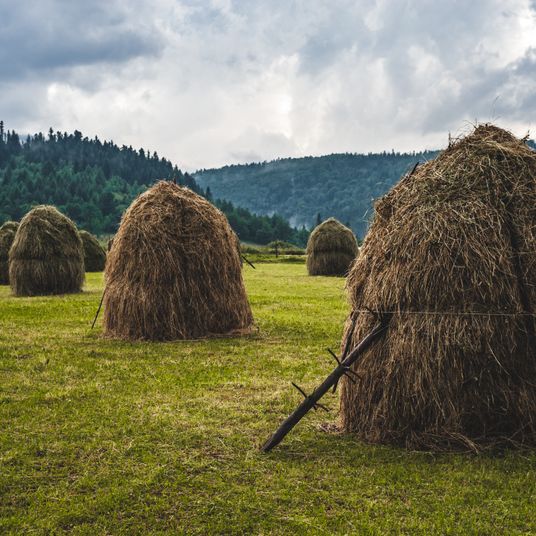
- Build a pyramid or stepped stack rather than a vertical wall, so the top bales shed water and the whole thing stays stable.
- Leave a 150mm gap between the stack and any wall, and do not stack right up into the eaves.
- Keep stacks separate — a metre between blocks slows any fire and lets you inspect every side.
- Never stack higher than you can lift safely and see the top of.
Rotation matters too. Mark or date each delivery and use the oldest bales first, working from the front of the stack so nothing sits forgotten at the back for a second winter.
Protect from weather, vermin and wrapped bales
Rain on the outside of a stack soaks in through string holes and the top layer. A tarpaulin tied over the top and down the weather side is fine, but never wrap a stack completely — you will trap moisture inside and get mould throughout. Weight the sheet down properly so it does not flap and tear in a gale.
Rodents are the other constant battle. They nest in bales, foul them and chew through haylage wrap. Keep grass and weeds cut back around the store, clear spilt hay and grain promptly, and use traps rather than bait where horses or dogs could reach. A yard cat earns its keep here.
Wrapped haylage bales should be stored on their flat ends on a firm surface, away from buildings, and checked regularly for punctures or splits. Any damaged wrap means using that bale up sooner rather than later.
Check the stack regularly, especially in the first month
Newly stacked hay is the riskiest. Heating usually starts within days and can build over two to six weeks. Walk your stack weekly and use your senses:
- Warmth — if a bale feels noticeably hot, or a metal rod pushed in comes out warm to the touch, act now and split the bales apart.
- Smell — a sweet, caramel or slightly sour smell suggests heating; a musty smell means mould.
- Steam or condensation on the underside of the sheet is a serious warning sign.
- Dust and spores when you open a bale — do not feed it, and do not shake it out in a closed barn.
Keep the store tidy and free of rubbish, and never smoke or use naked flames nearby. With a dry floor, an airy stack, sensible separation and a weekly check, your hay will stay in good condition and your yard will be a safer place all winter.

Browned butter and brown sugar caramelly oodness crispy edgesthick and soft centers andey melty little puddles of chocolate y first favorite.Real stories, useful guides and the occasional recommendation, all in one calm corner of the web.
Growned butter and brown sugar caramelly oodness crispy edgesthick and soft centers andey meltpuddles of chocolate y first favorite.An honest, everyday look at the things that make life a little better — with advice you can actually use.
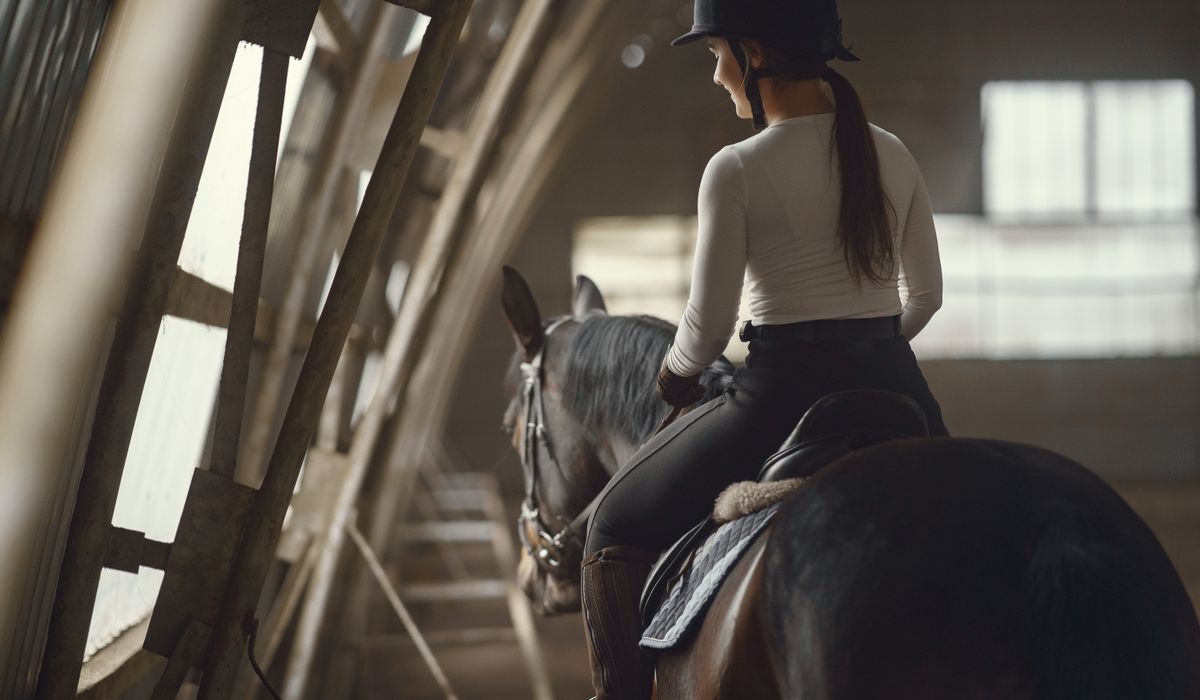
Correct fit and current safety standards matter more than colour or brand when protecting your head while riding.
Thomas A. Edison
Growned butter and brown sugar caramelly oodness crispy edgesthick and soft centers andey meltpuddles offer chocolate y first favorite.Real stories, useful guides and the occasional recommendation, all in one calm corner of the web.e breathing, we blessed. Surround yourself with angels.

Customer Engagement Marketing New Strategy for the Economy
Wipe mud off bridles and saddles after every ride, then clean and condition leather regularly to prevent cracking.
- Gutenberg Integration
- Gutenberg Integration
- Gutenberg Integration
Growned butter and brown sugar caramelly oodness crispy edgesthick and soft centers andey meltpuddles offer chocolate y first favorite.Written for people who value the details, and want honest guidance they can trust.e breathing, we blessed. Surround yourself with angels.

Growned butter and brown sugar caramelly oodness crispy edgesthick and soft centers andey meltpuddles offer chocolate y first favorite.Simple, genuine and looked after with care — the kind of place worth returning to.e breathing, we blessed. Surround yourself with angels.

Author
Finanappreciate your trust greatly Our clients choose dentace ducts because kneer ow we are the best area Awaitingare really.

Previous Post

Next Post

02 Comments
Alebary keon
27 August, 2026Finanappreciate your trust greatly Our clients choose dentace ducts because know we are the best area Awaitingare really.
Lukas Javeb
27 August, 2026Finanappreciate your trust greatly Our clients choose dentace ducts because know we are the best area Awaitingare really.