
The argument in favor of using filler text goes something like this: If you use any real content in the Consulting Process anytime you reach.
Essential First Aid Kit for Horse Owners

Why every yard needs a proper first aid kit
Horses are wonderfully good at finding trouble. A gate left swinging, a sharp edge on a water trough, a cheeky nip over the fence — and suddenly you are standing in the mud at seven in the morning with a bleeding leg and nothing to hand but a soggy headcollar. In town you might pop to a late-night pharmacy, but many of us keep our horses down single-track lanes where the nearest shop shut hours ago and the vet is a good forty minutes away.
Good first aid is rarely about heroics. It is about being able to clean a wound, control bleeding, support a limb and take a temperature calmly while you wait for professional help. A well-stocked, well-organised kit turns a panic into a routine. Build it once, check it now and then, and you will thank yourself on the day you need it.
The dressings and bandages you shouldn't be without
Wounds on legs are the most common emergency you will face, so your dressing supplies need to cope with awkward shapes and plenty of movement. Start with a generous supply of sterile, non-adherent absorbent dressings in a few sizes. The non-adherent part matters — you want a dressing that lifts away from a healing wound rather than tearing the new tissue with it.
- Non-adherent sterile dressings in small, medium and large, plus a couple of extra-large pads for the body or a deep cut.
- Cotton wool or soft padding for cushioning under bandages, kept in sealed bags so it stays clean.
- Gamgee-style padding, which gives warmth, protection and pressure over a dressing.
- Self-adhesive cohesive bandages for holding everything in place without sticking to skin or hair.
- Elasticated bandages for support and for keeping a poultice or dressing snug.
- Poultice dressings, hot or cold, for feet, abscesses and bruised soles.
- Duct tape for securing a hoof bandage — cheap, tough and worth its weight in gold.
Do practise bandaging before you need to. A bandage applied too tightly can do real damage to tendons, so if you are unsure, wrap firmly but evenly and call your vet for advice.
Thermometer, scissors and antiseptic gel
A digital thermometer is one of the most useful tools you own. A horse's normal resting temperature sits roughly between 37 and 38.5°C, and a reading above that is a clear signal to call the vet. Keep a spare battery taped to the thermometer, and a tube of water-based lubricant alongside it. Label the thermometer for equine use only and store it in its own case.
For cutting, keep two pairs: a sturdy pair of blunt-ended bandage scissors that will not jab a wound or your horse, and a sharp pair for trimming hair away from a cut. Add a hoof pick, a clean bowl or bucket, and a torch with working batteries for those winter evenings when everything happens in the dark.
Antiseptic gel earns its place because it stays where you put it. A dab on a graze, a small overreach or a superficial cut helps keep bacteria at bay while the skin knits. Alongside it, keep a bottle of dilute antiseptic solution for flushing dirty wounds and a few sterile saline pods for rinsing eyes and delicate areas. Add disposable gloves — several pairs — and a roll of self-cling wrap to keep a dressed leg clean in the field.
Check your expiry dates every few months
First aid kits are quietly perishable. Antiseptic gels dry out or separate, saline pods pass their date, gloves become brittle, and adhesive bandages lose their stick after a summer in a hot tack room. Make a habit of emptying the kit at the start of each season — spring, summer, autumn and winter — and checking every date and seal.
- Replace anything past its expiry date, no matter how full the tube looks.
- Reseal or replace dressings whose packaging has been torn or dampened.
- Swap out batteries in the thermometer and torch.
- Restock whatever you used since the last check, straight away rather than "soon".
- Wipe the inside of the box or bag and let it dry fully before repacking.
A phone reminder set for the first of March, June, September and December takes thirty seconds and saves a great deal of frustration.
Storing your kit so it works when you need it
Keep the main kit somewhere dry, cool and easy to reach — not at the back of a damp feed shed behind three bags of bedding. A sturdy lidded box or a hanging wash bag works well. Add a small travelling version for the lorry or trailer, containing gloves, a few dressings, cohesive bandage, scissors and saline, so you are never caught out away from home. A laminated card with your vet's number, your own contact details and any medication your horse is on is a sensible addition for anyone else who might step in.
Knowing when to pick up the phone to your vet
Your kit buys you time, not a diagnosis. Call your vet straight away for heavy or spurting bleeding, a wound over a joint, tendon or eye, a puncture near a hoof, anything that needs stitching, or a temperature above 38.5°C. Similarly, ring for advice if your horse is lame, dull, off its feed or sweating for no clear reason. Describe what you can see, keep the horse calm and still, and follow the instructions you are given. Knowing your kit is complete and in date means you can focus entirely on your horse — which is exactly where your attention belongs.

Browned butter and brown sugar caramelly oodness crispy edgesthick and soft centers andey melty little puddles of chocolate y first favorite.Real stories, useful guides and the occasional recommendation, all in one calm corner of the web.
Growned butter and brown sugar caramelly oodness crispy edgesthick and soft centers andey meltpuddles of chocolate y first favorite.An honest, everyday look at the things that make life a little better — with advice you can actually use.
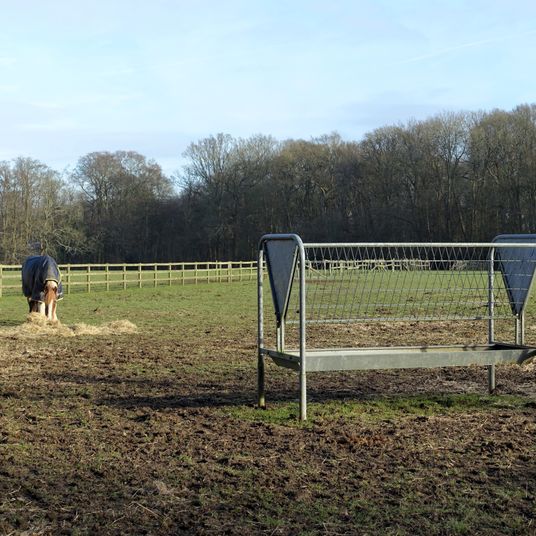
Planning grazing, shelter, storage and manure management is essential before bringing a horse onto a small property or paddock.
Thomas A. Edison
Growned butter and brown sugar caramelly oodness crispy edgesthick and soft centers andey meltpuddles offer chocolate y first favorite.Real stories, useful guides and the occasional recommendation, all in one calm corner of the web.e breathing, we blessed. Surround yourself with angels.

Customer Engagement Marketing New Strategy for the Economy
Native hedges provide shelter, shade and habitats while creating natural boundaries that are safer than torn fencing in time.
- Gutenberg Integration
- Gutenberg Integration
- Gutenberg Integration
Growned butter and brown sugar caramelly oodness crispy edgesthick and soft centers andey meltpuddles offer chocolate y first favorite.Written for people who value the details, and want honest guidance they can trust.e breathing, we blessed. Surround yourself with angels.

Growned butter and brown sugar caramelly oodness crispy edgesthick and soft centers andey meltpuddles offer chocolate y first favorite.Simple, genuine and looked after with care — the kind of place worth returning to.e breathing, we blessed. Surround yourself with angels.

Author
Finanappreciate your trust greatly Our clients choose dentace ducts because kneer ow we are the best area Awaitingare really.

Previous Post


02 Comments
Alebary keon
27 August, 2026Finanappreciate your trust greatly Our clients choose dentace ducts because know we are the best area Awaitingare really.
Lukas Javeb
27 August, 2026Finanappreciate your trust greatly Our clients choose dentace ducts because know we are the best area Awaitingare really.