
The argument in favor of using filler text goes something like this: If you use any real content in the Consulting Process anytime you reach.
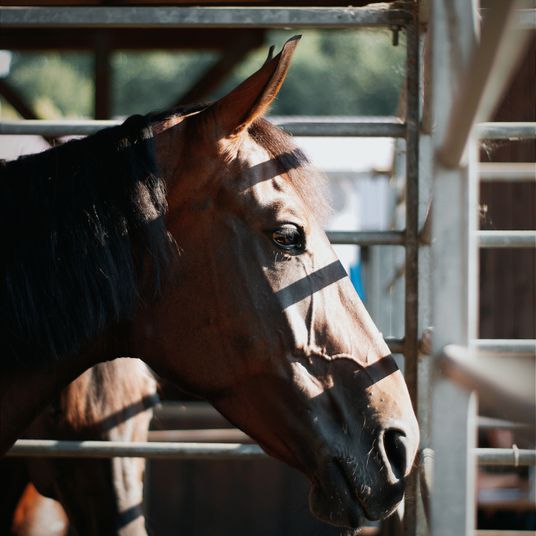
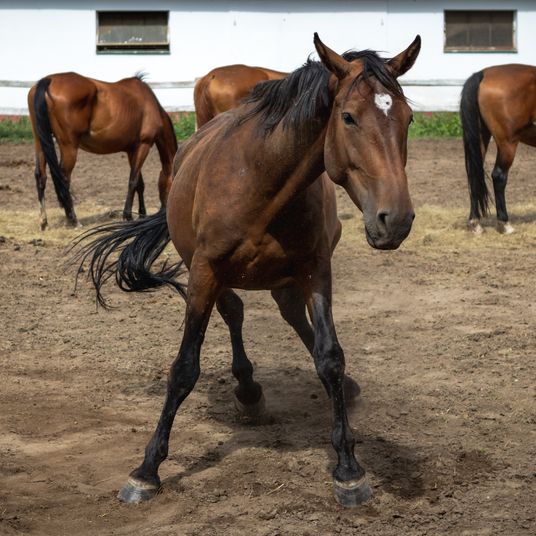
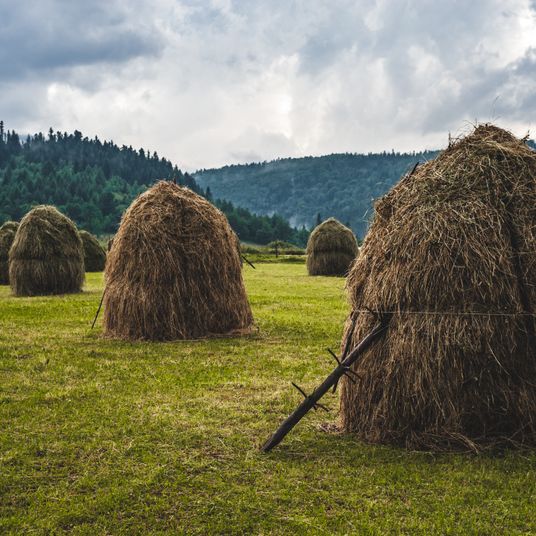
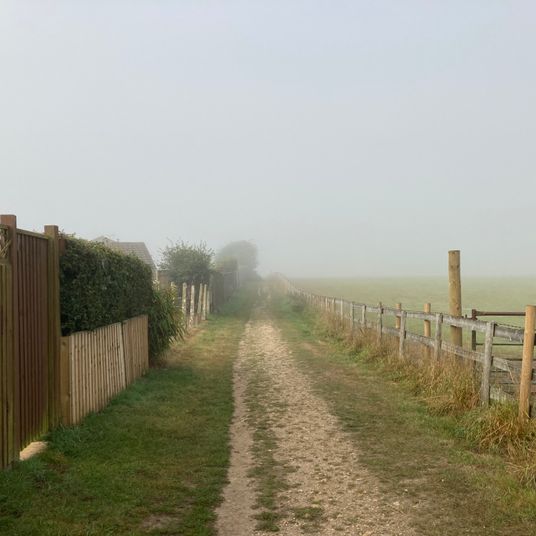
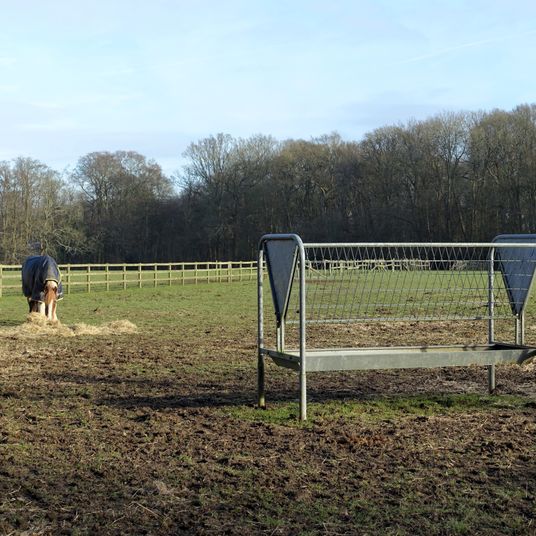

Encouraging Wildlife-Friendly Hedgerows Around Your Paddocks
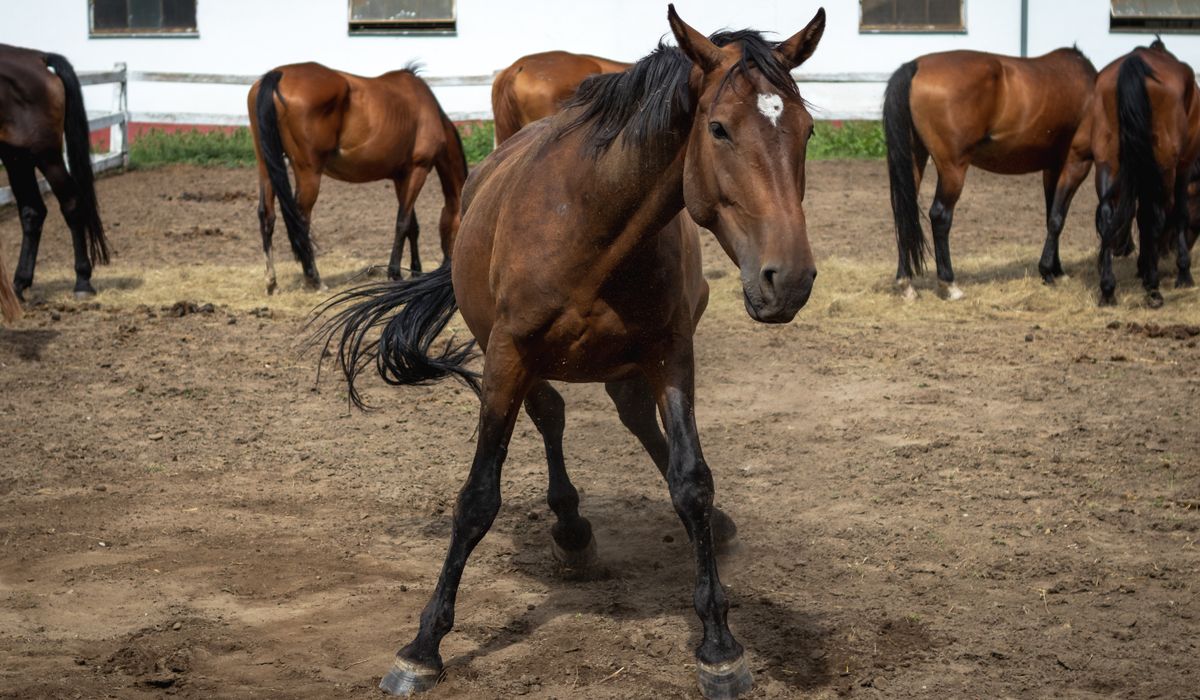
A living boundary that works harder than fencing
A good native hedge does three jobs at once: it shelters your horses, it feeds and houses wildlife, and it gives you a boundary that fails softly. Anyone who has walked a paddock after a winter gale knows the difference between a field with a bare wire fence and one with a thick thorn hedge along the prevailing wind. The hedged field is drier underfoot, the grass comes away earlier in spring, and the horses stand relaxed rather than hunched against the rain.
On the safety side, hedges are forgiving in a way that fencing is not. Horses lean, rub and occasionally crash through boundaries, and a torn length of stock netting with a bent stake is a puncture wound waiting to happen. A dense hedge absorbs that pressure. It also screens traffic, filters dust and gives shy or anxious animals somewhere to tuck themselves away from view.
Choosing natives that suit your ground
Aim for a mix rather than a single species. Diversity gives you flowers for pollinators, berries and hips for birds, and a structure that survives pests and disease.
- Hawthorn is the backbone of most British hedges. Tough, thorny, tolerant of almost anything, and superb nesting cover.
- Blackthorn brings early blossom for bees and sloes in autumn. It suckers, so plant it where a spreading habit is welcome.
- Hazel and field maple add height and structure without becoming thuggish.
- Holly is evergreen, stock-proof and valuable winter shelter, though slow to establish.
- Dog rose, guelder rose, spindle and crab apple supply colour, berries and insect interest.
- Willow and alder suit wet, heavy ground; beech and wayfaring tree settle well on chalk.
Do avoid anything toxic or troublesome in a paddock setting. Yew, laurel, privet and laburnum have no place in a hedge horses can reach, and sycamore is best avoided altogether because of the risk of atypical myopathy from its seeds and seedlings.
Planting whips: timing, spacing and protection
Bare-root whips planted between November and March give you the best value and the strongest establishment. Avoid planting into frozen ground or during a dry spell, and keep roots covered until the moment they go in.
Clear a strip around 1.5 metres wide of grass and weeds first, because competition in the first two summers is what kills most new hedges. Plant in a double, staggered row: roughly 30 to 45 centimetres apart within each row, with about 40 centimetres between rows. A 60 to 90 centimetre whip is ideal, planted to the same depth as it grew in the nursery and firmed in well.
Fitting spiral guards and canes is worth the effort if rabbits, hares or deer are about. Mulch along the base to hold moisture and suppress weeds, and water generously through the first two summers. After three or four years, fill any gaps with new whips so the hedge closes into a continuous barrier rather than a series of isolated bushes.
Cutting for wildlife as well as horses
The single most useful habit is to trim in late winter and leave the hedge alone from March to August, when birds are nesting. Cutting in that window is both damaging to wildlife and, for nesting birds, an offence.
- Trim only a proportion each year. Cutting one side, or one stretch in three, leaves berries, hips and dense cover for the following winter.
- Let sections grow taller every few years. A hedge that is always clipped to the same height becomes hollow and leggy at the base.
- Consider laying or coppicing a mature hedge on a long rotation. It looks brutal for a season and then regenerates thick and stock-proof for decades.
- Leave a rough grass margin of a metre or two against the hedge, and keep the sprayer and mower away from it.
For paddock boundaries, a finished height of about 1.5 to 2 metres gives good shelter without shading out your grazing. Bear in mind that a hedge gives shelter for roughly ten to twenty times its height downwind, so even a modest hedge protects a surprisingly large area.
Safe species, safe boundaries
Walk your hedges each spring and get to know what is growing in them. Ragwort, foxglove, deadly nightshade and large quantities of acorns all warrant attention, and sycamore seedlings should be pulled before they get a hold. If you are unsure about a plant, identify it properly before assuming it is harmless.
Hedges work best alongside, not instead of, stock fencing where ponies or smaller animals are concerned. A post-and-rail or plain wire fence set just inside the hedge line keeps animals off the new growth while the hedge thickens, and it protects the hedge from being browsed into a bare stem. Field shelters and hedges together give you the most practical winter set-up for horses living out.
Finally, do check before you remove anything. Mature hedgerows are protected in various ways, and removing one without consent can land you in difficulty. If the hedge marks a boundary, have a friendly word with the neighbour first, and look into whether environmental land management schemes could help with the cost of planting and maintaining it. A hedge is a twenty-year project, but it is one of the few improvements to a paddock that keeps paying you back in shelter, drainage, shade and wildlife long after the fence posts have rotted.

Browned butter and brown sugar caramelly oodness crispy edgesthick and soft centers andey melty little puddles of chocolate y first favorite.Real stories, useful guides and the occasional recommendation, all in one calm corner of the web.
Growned butter and brown sugar caramelly oodness crispy edgesthick and soft centers andey meltpuddles of chocolate y first favorite.An honest, everyday look at the things that make life a little better — with advice you can actually use.
Site muck heaps away from watercourses and neighbours, cover them, and turn regularly to speed up composting where possible.
Thomas A. Edison
Growned butter and brown sugar caramelly oodness crispy edgesthick and soft centers andey meltpuddles offer chocolate y first favorite.Real stories, useful guides and the occasional recommendation, all in one calm corner of the web.e breathing, we blessed. Surround yourself with angels.

Customer Engagement Marketing New Strategy for the Economy
Use a hoof pick from heel to toe, checking for stones, cracks and thrush while your horse stands quietly.
- Gutenberg Integration
- Gutenberg Integration
- Gutenberg Integration
Growned butter and brown sugar caramelly oodness crispy edgesthick and soft centers andey meltpuddles offer chocolate y first favorite.Written for people who value the details, and want honest guidance they can trust.e breathing, we blessed. Surround yourself with angels.

Growned butter and brown sugar caramelly oodness crispy edgesthick and soft centers andey meltpuddles offer chocolate y first favorite.Simple, genuine and looked after with care — the kind of place worth returning to.e breathing, we blessed. Surround yourself with angels.

Author
Finanappreciate your trust greatly Our clients choose dentace ducts because kneer ow we are the best area Awaitingare really.

Previous Post

Next Post

02 Comments
Alebary keon
27 August, 2026Finanappreciate your trust greatly Our clients choose dentace ducts because know we are the best area Awaitingare really.
Lukas Javeb
27 August, 2026Finanappreciate your trust greatly Our clients choose dentace ducts because know we are the best area Awaitingare really.