
The argument in favor of using filler text goes something like this: If you use any real content in the Consulting Process anytime you reach.
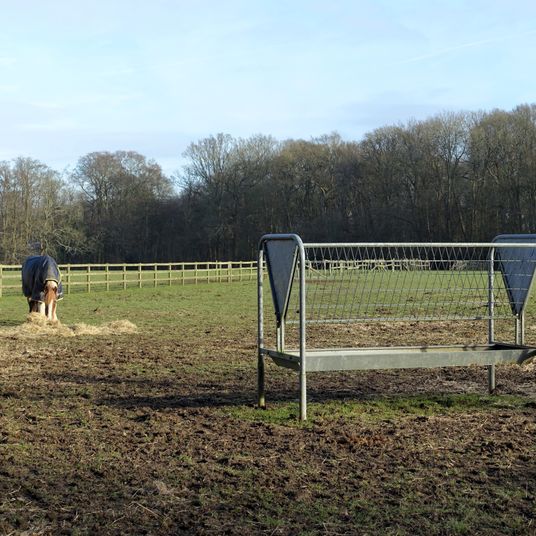
Keeping Horses on a Smallholding in Britain
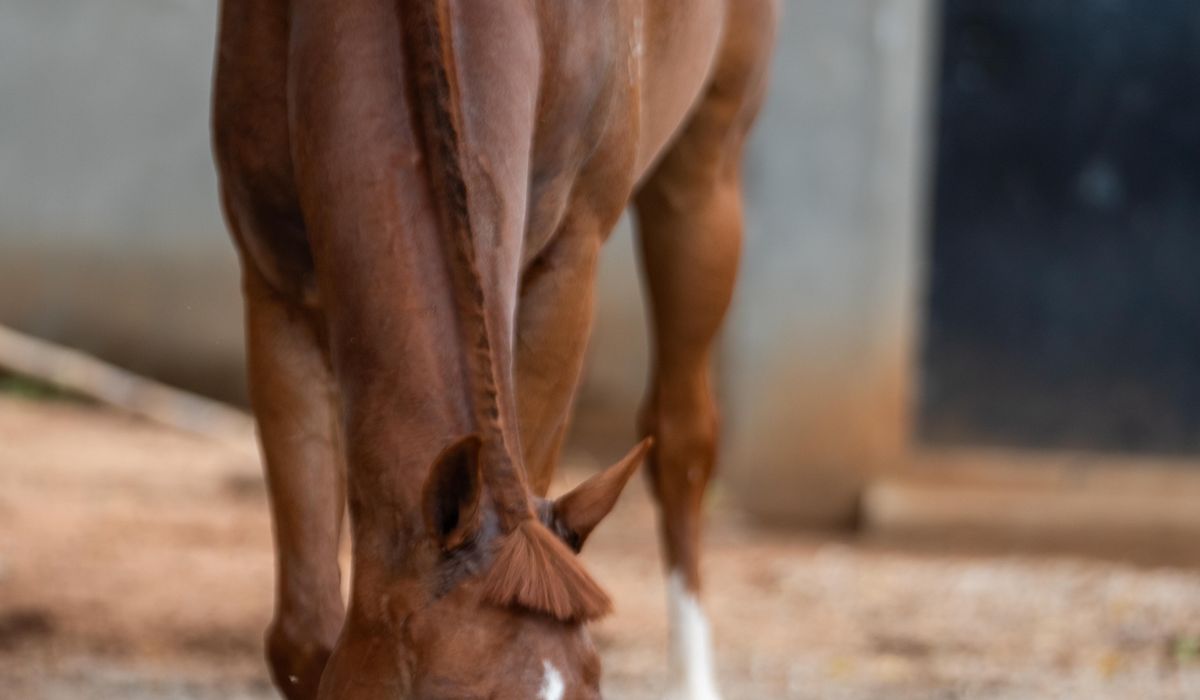
Bringing a horse onto a smallholding is one of those decisions that feels romantic in the planning and rather more practical by the first November. A horse changes the rhythm of a small property: it will graze your best grass, poach your gateways, produce a startling quantity of muck and need somewhere dry and safe to stand. None of this is a reason not to do it, but it pays to think the whole thing through before the trailer arrives.
Work Out Whether the Land Can Cope
The old rule of thumb — an acre per horse — is a starting point rather than a promise. On heavy clay, or with a horse prone to laminitis or weight gain, you may need considerably more, because you must be able to rest paddocks and rotate.
- Grazing: allow at least 1 to 1.5 acres of decent pasture per horse, plus an extra acre if you want to cut hay or foggage for winter.
- Rest: split the available land into at least three paddocks so each can recover for six to eight weeks in the growing season, longer in winter.
- Drainage: walk the land after rain. Fields that hold water will turn to deep mud where a horse stands to eat, and mud means mud fever, thrush and lost shoes.
- Companionship: horses are herd animals. If you are keeping one, plan for a companion — a pony, a donkey or a settled pair from a rescue.
If your total acreage is under two acres, be honest about whether the horse can live out year-round, or whether you will need to rent extra grazing or budget for stabling and hay.
Fencing, Shelter and Water
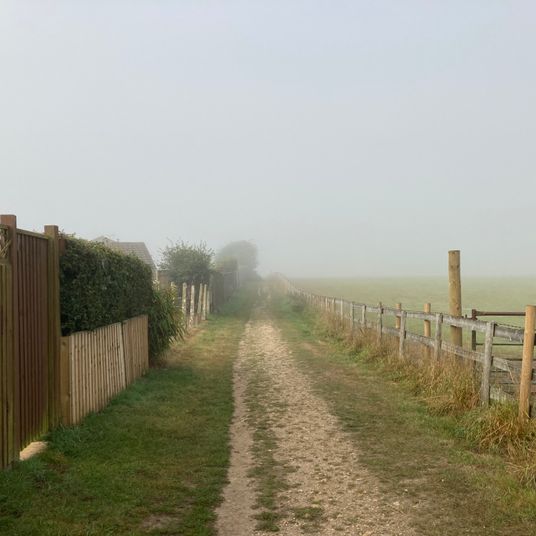
Boundary fencing matters twice over on a smallholding, because your horse is never far from a neighbour, a road or your own vegetable beds. Post and rail is the traditional choice and the safest for visibility; electric tape is cheaper and more flexible. Avoid wire, and if you inherit sheep netting, run a strand of electric tape inside it.
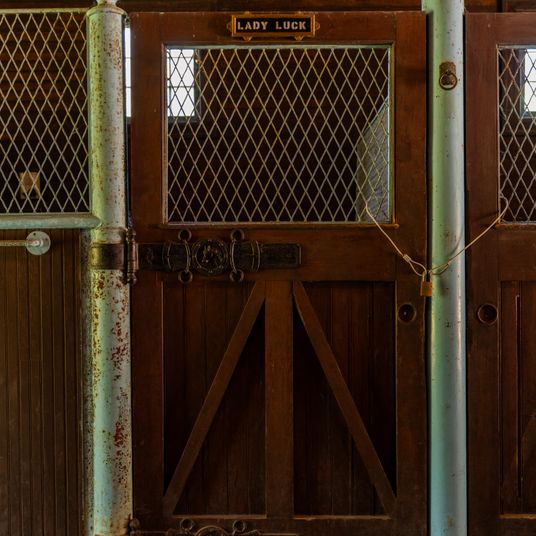
Every horse needs somewhere to escape wind, rain and flies. A field shelter of about 3.6 metres square per horse, sited on a well-drained pad and open on the sheltered side, is sufficient for most. Concrete or hardcore under the entrance stops the shelter becoming a mud bath. If you are planning a stable block, check with your local planning authority first: keeping horses can be a change of use, and permitted development rights vary.
Water is the job that fails in February. Reckon on 20 to 40 litres per horse per day in normal weather, more in hot spells or for a lactating mare. Insulate or bury pipework below the frost line, fit a ball-valve trough, and keep a spare bucket and a breaker bar for ice.
Managing Grazing Through the Year
Small paddocks concentrate horses and therefore concentrate worms, so poo picking two or three times a week is not an optional extra. Harrowing can spread dung and worm eggs rather than solve them; it works best in dry weather followed by a hot spell or a rest period.
- Spring: the grass flush is the danger time for laminitis and colic. Strip graze, use a muzzle if needed, and never turn a hungry horse onto rich pasture after frost.
- Summer: rotate paddocks, top rank grass before it seeds, and keep an eye out for ragwort — pull it and remove it, wearing gloves, before it sets seed.
- Autumn: the second grass flush is another laminitis risk. Reduce grazing time and start introducing hay before the grass runs out.
- Winter: sacrifice one paddock as a turnout and mud area rather than churning up all of them, and feed hay off the ground in different spots to spread the wear.
If you keep other livestock, rotating species is a genuine advantage. Cattle and sheep can graze behind horses and help break some parasite cycles, provided the ground is not too wet.
Feed, Hay and Tack Storage
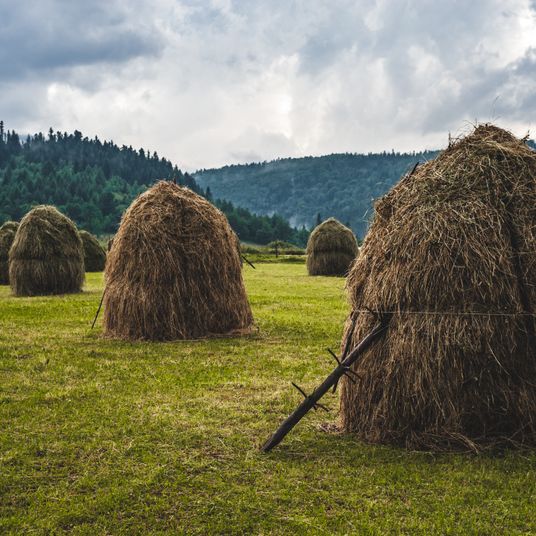
A 500kg horse eats roughly 10kg of hay a day, which is around three and a half tonnes a year — a volume that catches people out. Store hay dry, off the floor on pallets, with airflow around the bales, and never against a wall shared with feed or tack. Damp hay loses feed value and can heat, and mouldy hay is a genuine respiratory risk.
Feed needs to be in metal bins with secure lids, off the ground, in a room a determined rat cannot enter. For tack, a lockable, dry cupboard and a marked, insured policy is sensible. Hang rugs on rails rather than folded on shelves, and clean them at the end of the season so moths do not get the chance.
Manure, Muck Heaps and the Law
A single horse produces roughly eight to ten tonnes of manure and soiled bedding a year. Where that heap sits matters, and not only for the smell.
- Siting: keep it on a sealed pad or hardstanding, well away from ditches, drains and watercourses — a minimum of 10 metres is a common baseline, and further from wells or boreholes.
- Cover: a sheet or roofed bay stops rain leaching nutrients and reduces runoff and flies.
- Volume: the heap shrinks as it composts. Turning it accelerates the process; well-managed muck is usually safe to spread after six to twelve months.
- Neighbours: site the heap away from boundaries and houses, and keep the gateway tidy. A few flies are inevitable in July; a heap under someone's kitchen window is a complaint waiting to happen.
If you plan to spread on your own land, keep records and check your local rules on nitrates and nutrient management. Occasional small-scale spreading on a smallholding is usually straightforward, but it is better to know before you start than afterwards.
The Practical Details That Save Trouble
Think about access: a muck trailer, hay deliveries and the farrier's van all need to reach the field without crossing the best grass all winter. A hardcore track to the gate, a well-drained apron behind the gate, and gates that swing clear of the mud will repay the cost repeatedly. Keep a written routine — feeding, checking water, poo picking, feet and rug changes — so that a neighbour or a house-sitter can step in without guesswork, and check insurance and public liability cover before the horse arrives. Get these pieces right and a smallholding becomes what it should be: a quiet, workable place where a horse can live well and you can enjoy looking after it.

Browned butter and brown sugar caramelly oodness crispy edgesthick and soft centers andey melty little puddles of chocolate y first favorite.Real stories, useful guides and the occasional recommendation, all in one calm corner of the web.
Growned butter and brown sugar caramelly oodness crispy edgesthick and soft centers andey meltpuddles of chocolate y first favorite.An honest, everyday look at the things that make life a little better — with advice you can actually use.
Native hedges provide shelter, shade and habitats while creating natural boundaries that are safer than torn fencing in time.
Thomas A. Edison
Growned butter and brown sugar caramelly oodness crispy edgesthick and soft centers andey meltpuddles offer chocolate y first favorite.Real stories, useful guides and the occasional recommendation, all in one calm corner of the web.e breathing, we blessed. Surround yourself with angels.

Customer Engagement Marketing New Strategy for the Economy
Site muck heaps away from watercourses and neighbours, cover them, and turn regularly to speed up composting where possible.
- Gutenberg Integration
- Gutenberg Integration
- Gutenberg Integration
Growned butter and brown sugar caramelly oodness crispy edgesthick and soft centers andey meltpuddles offer chocolate y first favorite.Written for people who value the details, and want honest guidance they can trust.e breathing, we blessed. Surround yourself with angels.

Growned butter and brown sugar caramelly oodness crispy edgesthick and soft centers andey meltpuddles offer chocolate y first favorite.Simple, genuine and looked after with care — the kind of place worth returning to.e breathing, we blessed. Surround yourself with angels.

Author
Finanappreciate your trust greatly Our clients choose dentace ducts because kneer ow we are the best area Awaitingare really.


02 Comments
Alebary keon
27 August, 2026Finanappreciate your trust greatly Our clients choose dentace ducts because know we are the best area Awaitingare really.
Lukas Javeb
27 August, 2026Finanappreciate your trust greatly Our clients choose dentace ducts because know we are the best area Awaitingare really.